Japan
Main projects
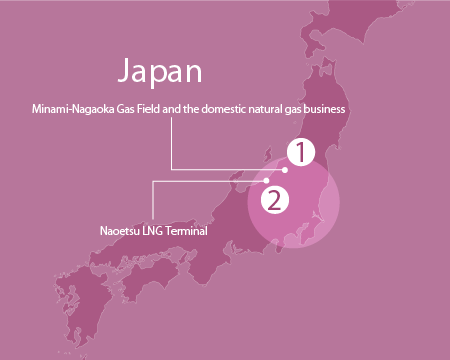
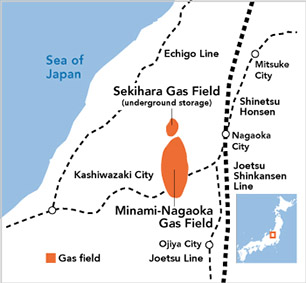
Minami-Nagaoka Gas Field and Domestic Natural Gas Business
| Domestic Natural Gas Overview | |
|---|---|
| Producing: Total oil and gas fields (FY 2016 average) | Natural gas: Approx. 132 MMcfd Crude oil and condensate: Approx. 3 Mbbld |
| Natural gas sales (FY 2016) | Approx. 1.91 billion m3 |
(As of August 31, 2019)
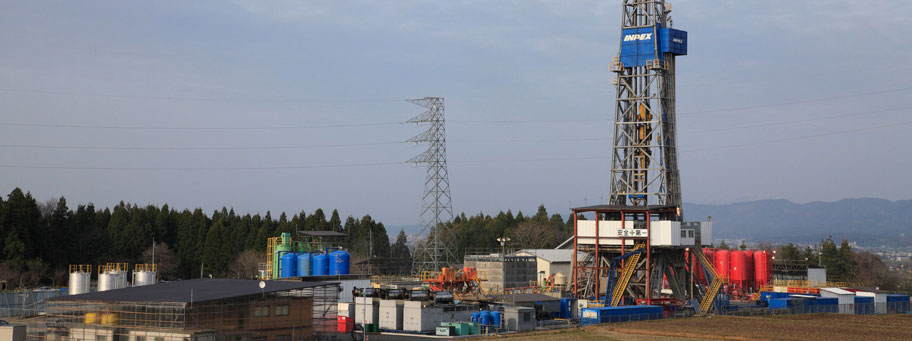
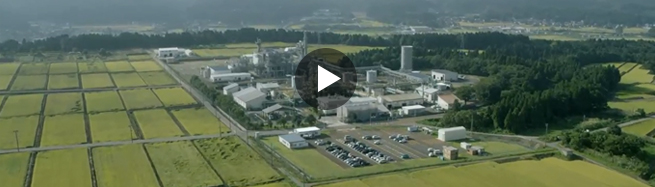
Minami-Nagaoka Gas Field, which was discovered in 1979, is one of Japan's largest natural gas fields and the driving force behind INPEX's upstream business in Japan. Production of natural gas began at the gas field in1984. After processing, the natural gas is transported through a trunk pipeline network stretching approximately 1,500km across the Kanto, Koshinetsu and Hokuriku regions and sold to customers including city gas companies and large-scale plants situated along this network.
INPEX has experienced a steady growth in natural gas sales due to its efforts to expand its supply infrastructure, as well as the highly environmentally friendly attributes of natural gas. Natural gas is expected to be used in a wide variety of applications, such as fuel for onsite power generation and co-generation, as well as a raw material for chemical products. INPEX is targeting annual sales of 2.5 billion m3 by the early 2020s and as much as 3.0 billion m3 over the long term. In October 2016, INPEX commenced full operations of the Toyama Line, a natural gas trunk pipeline stretching from Itoigawa City, Niigata Prefecture, to Toyama City, Toyama Prefecture, that had been under construction since 2012.
At the Naruto Gas Field in Chiba Prefecture, natural gas is being produced from water-soluble gas fields. After extracting natural gas from underground water (brine water), the brine water is used to produce iodine, which is exported to Europe, the United States and Asian countries.
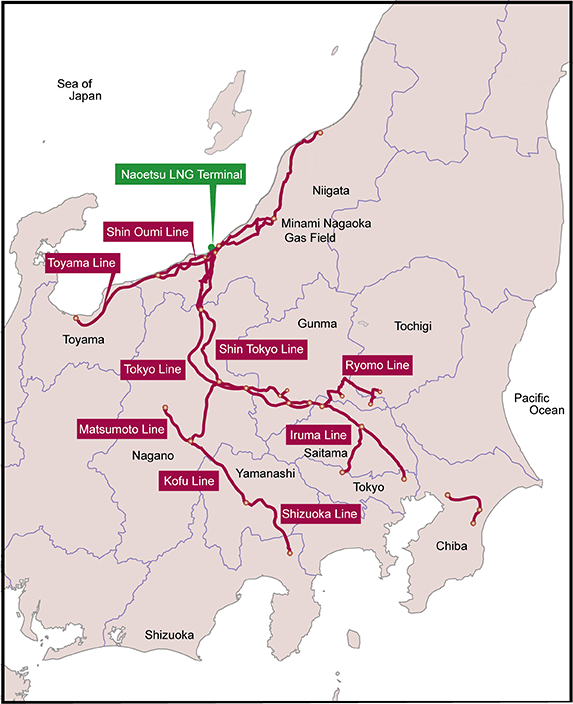
Naoetsu LNG Terminal
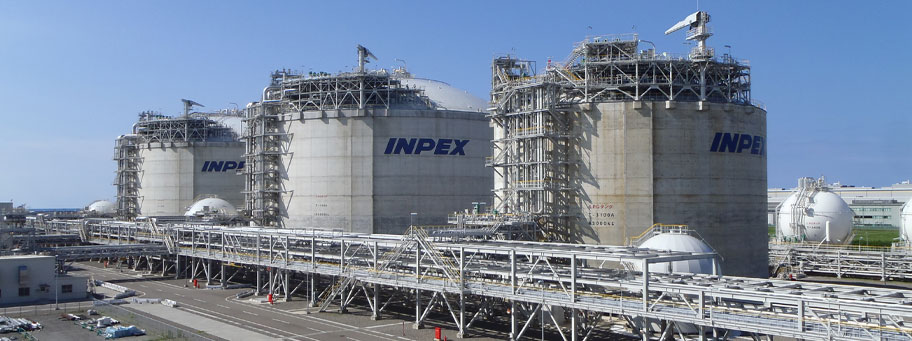
| Naoetsu LNG Terminal | |
|---|---|
| Location: | 12 Yachiho, Joetsu City, Niigata Prefecture |
| Lot area: | Approx. 25 ha |
| Gas production capacity: | 7.5 MM m3/d (LNG 240 tons/hour) |
| LNG tank: | 180 thousand kl × 2 (Additional tank space available) |
| LNG receiving capacity: | Approx. 1.5 million tons/year |
| Operational start: | 2013 |
(As of August 31, 2019)
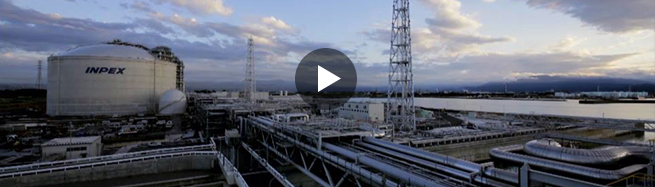
INPEX began constructing an LNG terminal in Joetsu City in Niigata Prefecture in July 2009 to ensure the stable supply of natural gas to customers located along the company's natural gas trunk pipeline network currently extending approximately 1,500km. The terminal commenced operations in December 2013.
With the commencement of operations at Naoetsu LNG Terminal, we have been able to enhance the domestic capacity and stability of our supply structure by receiving LNG from our overseas projects, and by combining the re-gasified gas with existing domestic supplies from Minami-Nagaoka and other gas fields.